For beginners, the right piano repertoire can make learning much more effective. Some pieces naturally train essential skills like hand coordination, rhythm control, and musical expression while still being enjoyable to play.
After many years of teaching piano, I’ve found that certain songs consistently help beginners build confidence and improve faster.
Here are ten piano songs that are excellent for developing fundamental skills.
Contents
- 1 1. Greensleeves – Traditional English Folk Song
- 2 2. Scarborough Fair – Traditional English Folk Song
- 3 3. Can’t Help Falling in Love – Elvis Presley (easy arrangement)
- 4 4. The Sound of Silence – Simon & Garfunkel (easy piano version)
- 5 5. Yesterday – The Beatles (easy version)
- 6 6. Over the Rainbow – Harold Arlen
- 7 7. Love Story Theme – Francis Lai
- 8 8. Chariots of Fire – Vangelis
- 9 9. Unchained Melody – Alex North (easy piano arrangement)
- 10 10. The Entertainer – Scott Joplin (simplified version)
- 11 Why These Songs Help Beginners Improve Faster
- 12 FAQ
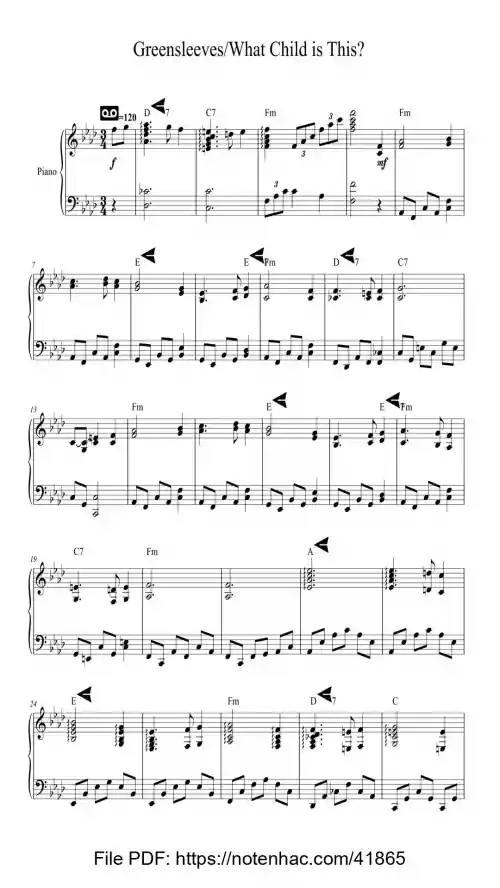
1. Greensleeves – Traditional English Folk Song
This classic melody helps beginners practice smooth phrasing and simple chord transitions.
2. Scarborough Fair – Traditional English Folk Song
A calm and lyrical melody that is excellent for developing expressive playing and finger control.
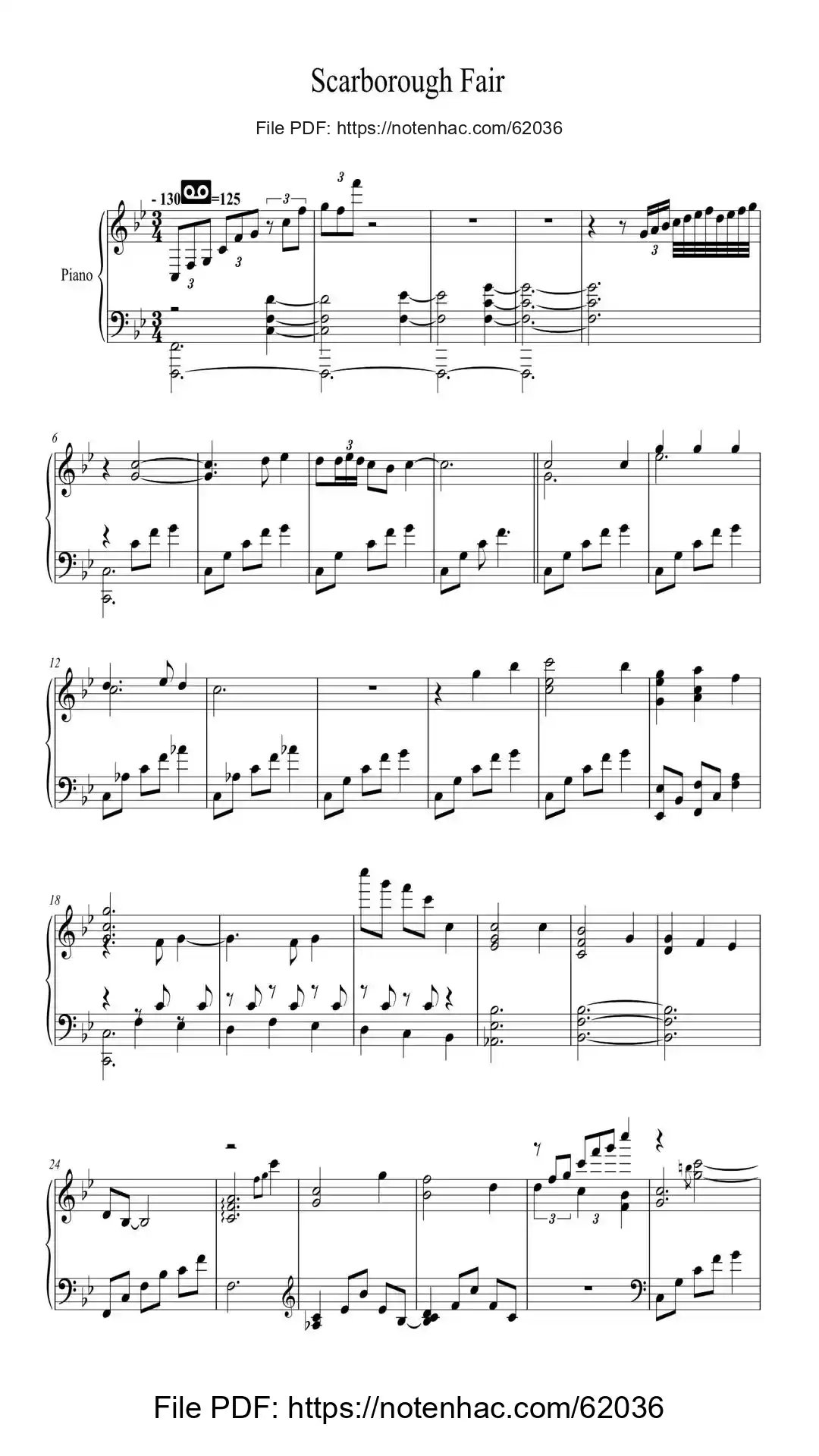
Link pdf: https://notenhac.com/scarborough-fair-solo-piano-sheet-free-pdf-download/
12 Piano Songs That Take Your Playing to the Next Level (But Are Still Easy)
3. Can’t Help Falling in Love – Elvis Presley (easy arrangement)
This song is perfect for practicing slow chord progressions and balanced melody playing.
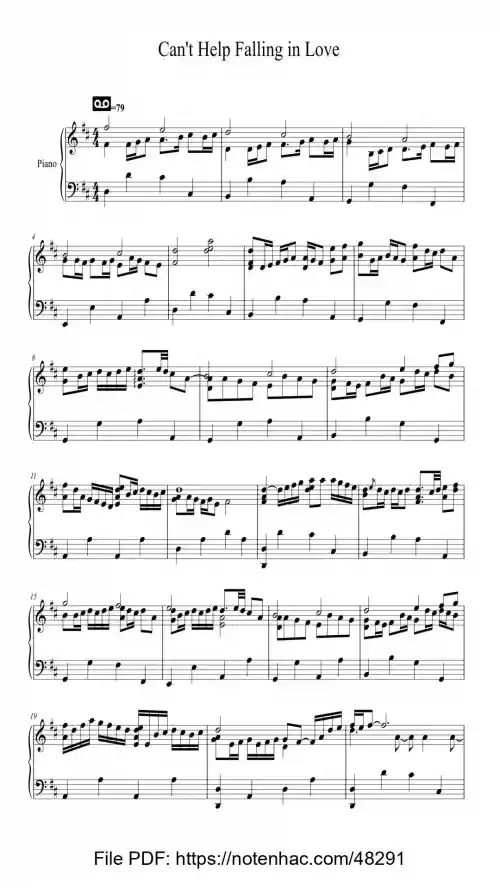
Link pdf: https://notenhac.com/cant-help-falling-in-love-wedding-version-piano-solo-sheet-music-free-pdf/
4. The Sound of Silence – Simon & Garfunkel (easy piano version)
A great piece for developing steady rhythm and simple accompaniment patterns.
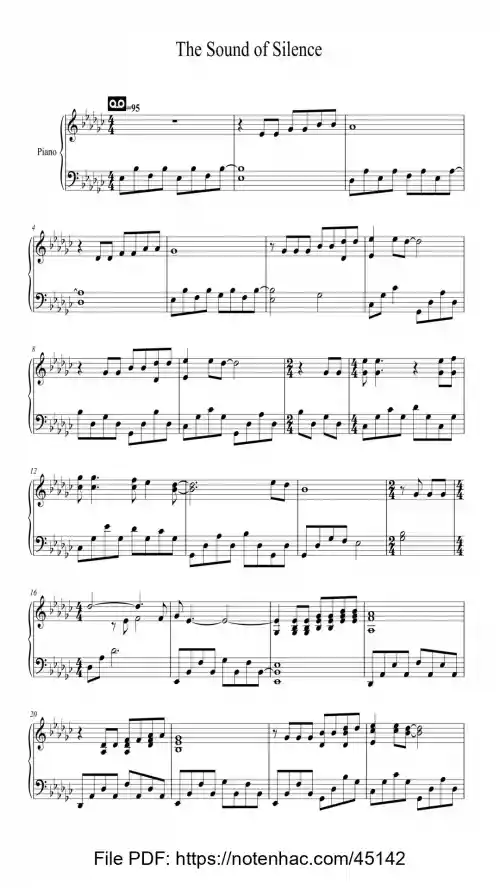
Link pdf: https://notenhac.com/the-sound-of-silence-level-intermediate-piano-sheet-music-free-pdf-version/
5. Yesterday – The Beatles (easy version)
This timeless melody helps students improve musical phrasing and chord movement.
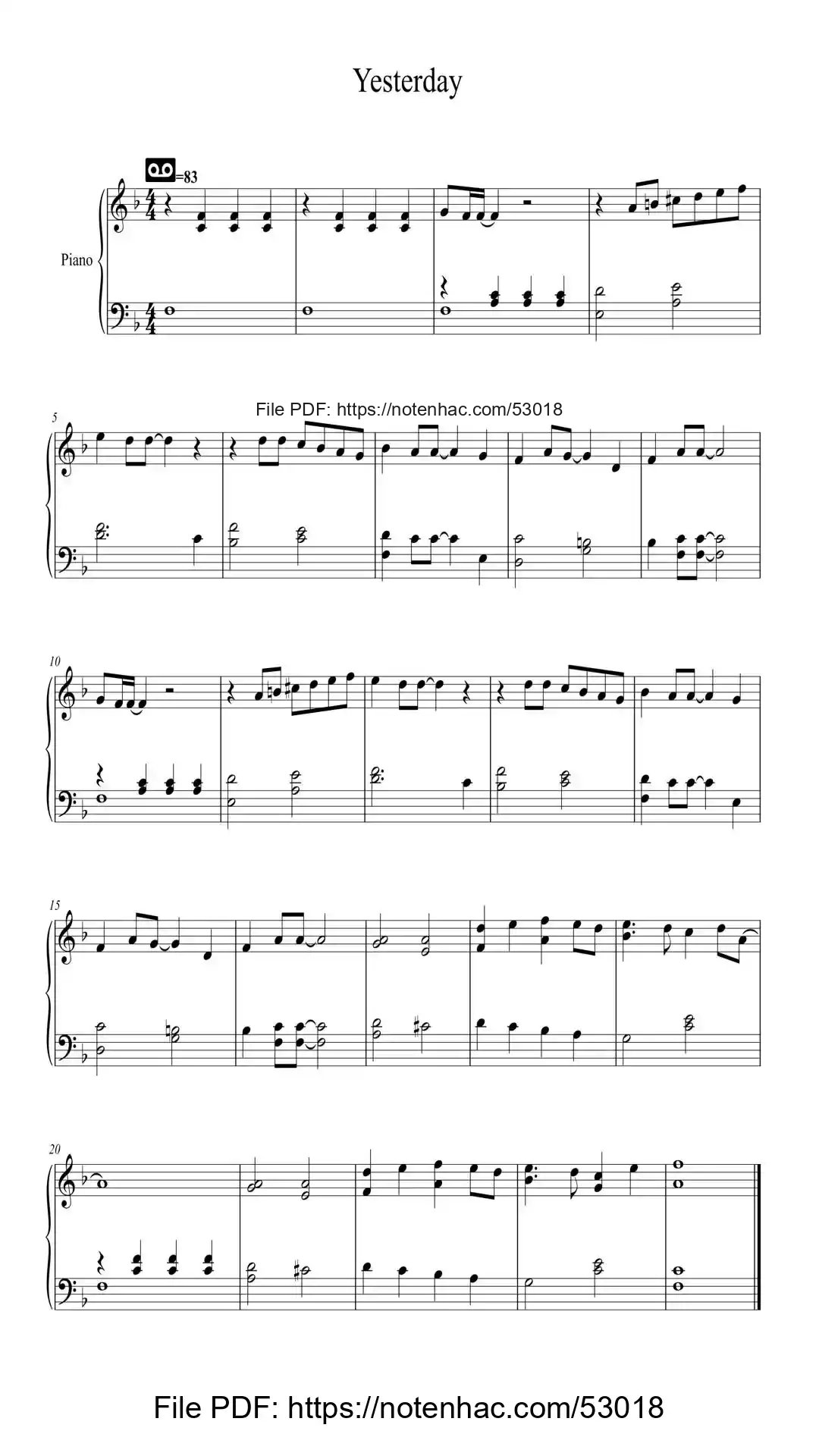
Link pdf: https://notenhac.com/yesterday-solo-piano-sheet-free-pdf-download/
6. Over the Rainbow – Harold Arlen
A wonderful song for learning melody shaping and expressive dynamics.
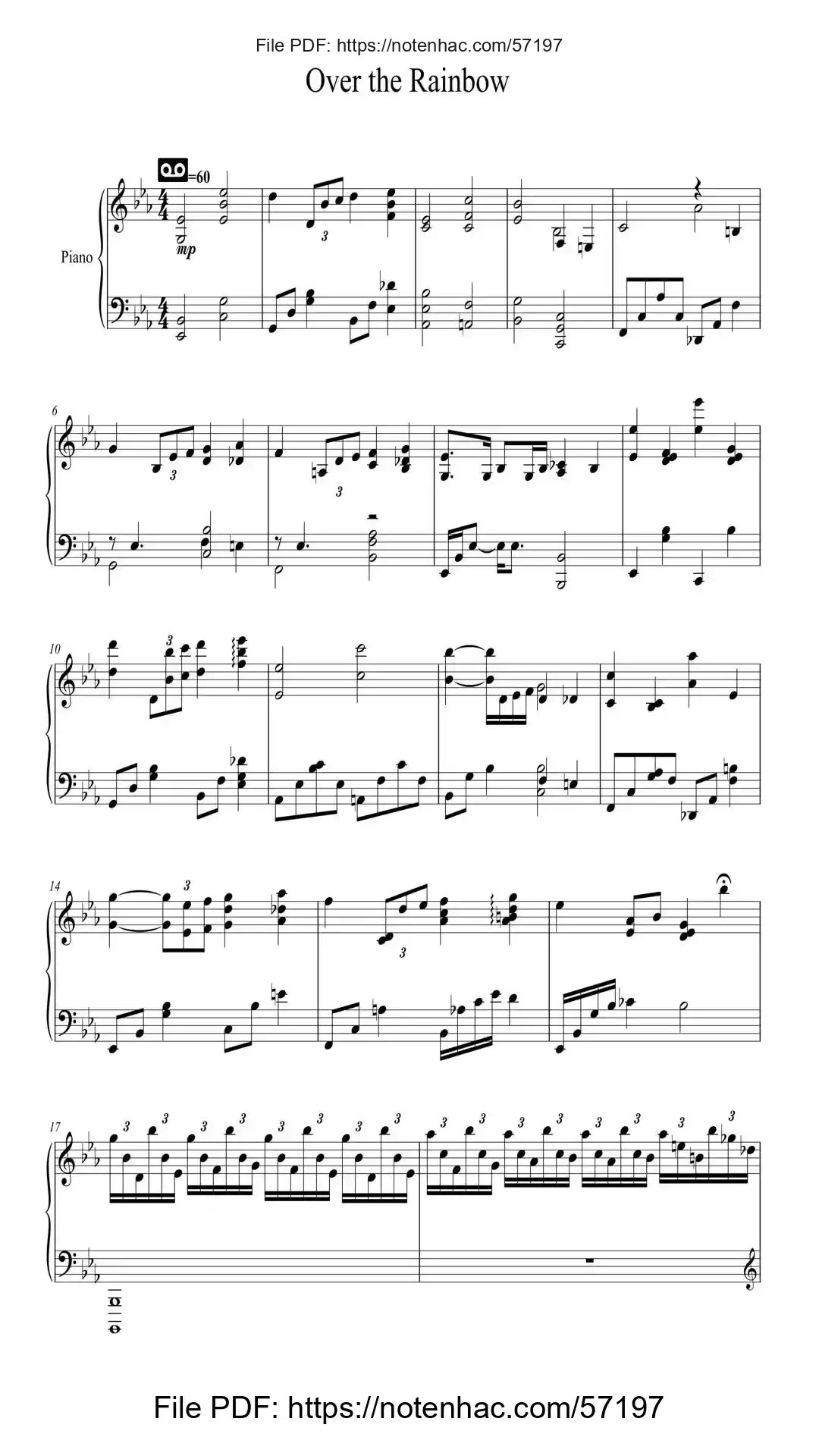
Link pdf: https://notenhac.com/over-the-rainbow-download-free-piano-sheet-music-pdf/
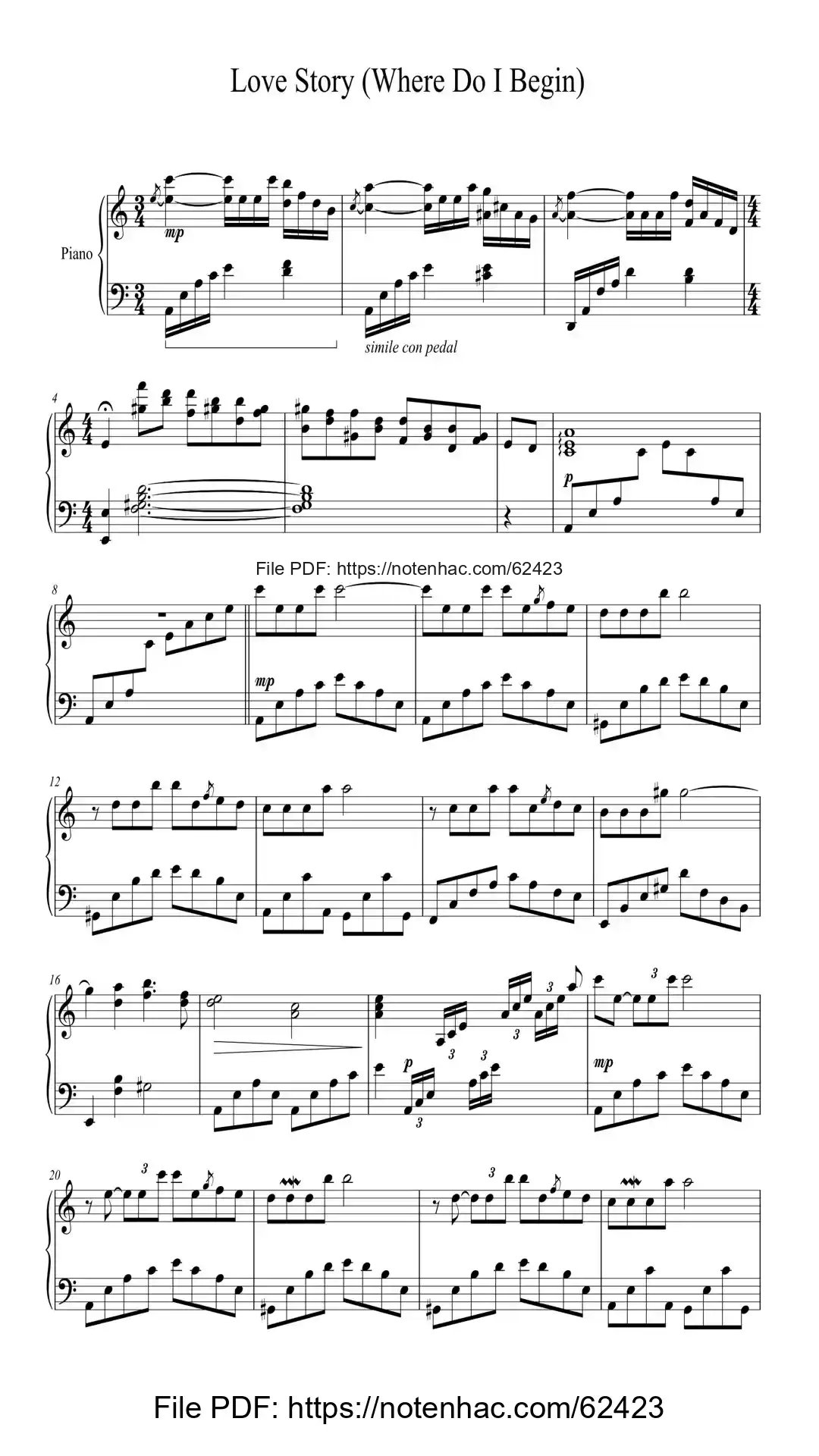
7. Love Story Theme – Francis Lai
This romantic melody helps beginners practice melodic balance between the hands.
Link pdf: https://notenhac.com/love-story-where-do-i-begin-free-piano-music-score-pdf-file/
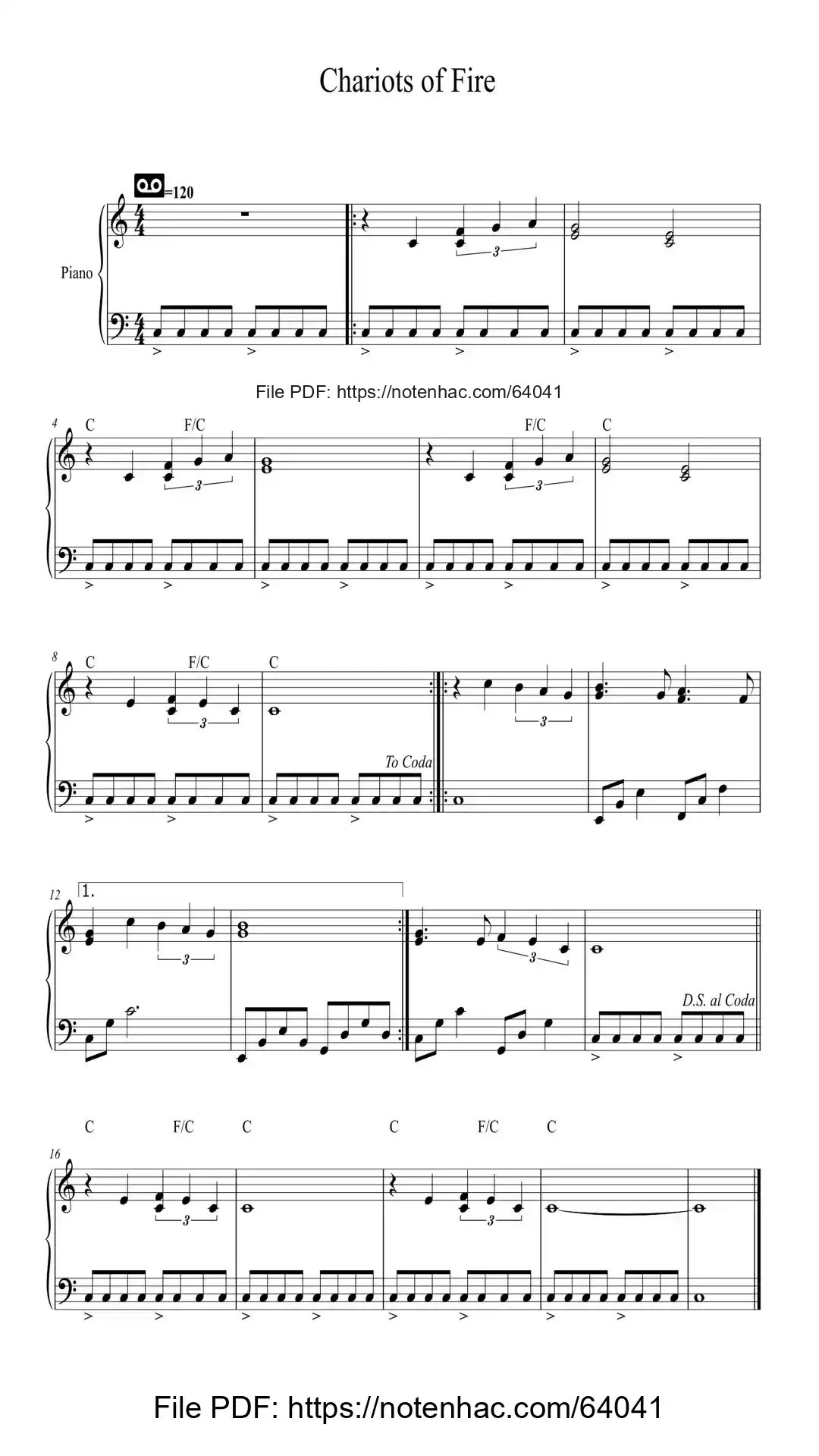
8. Chariots of Fire – Vangelis
A powerful theme that improves rhythm consistency and chord progression control..
Link PDF: https://notenhac.com/chariots-of-fire-piano-piece-free-sheet-music-pdf/
10 Easy Piano Songs Adults Can Learn Quickly (Beginner Friendly)
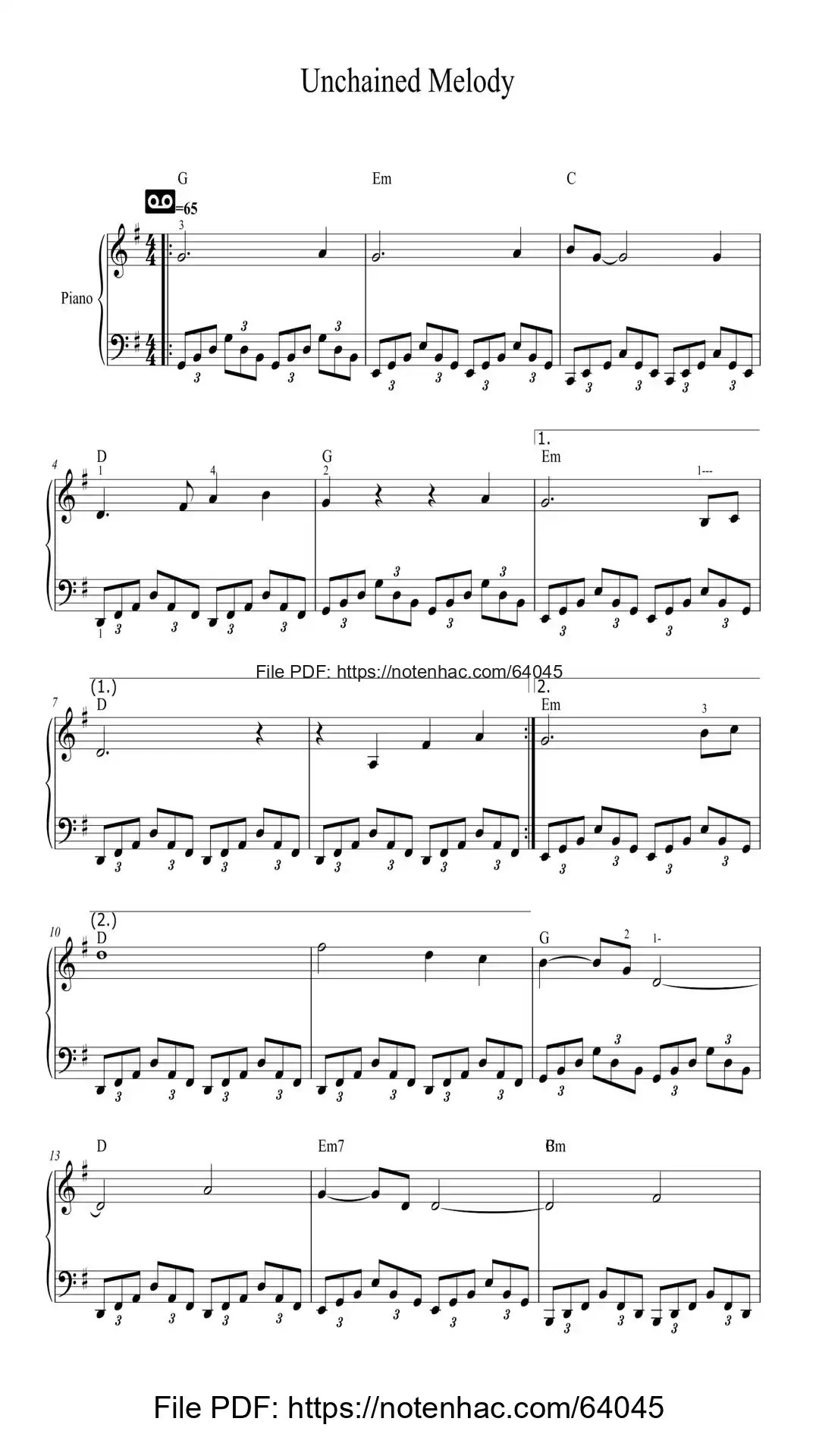
9. Unchained Melody – Alex North (easy piano arrangement)
This emotional melody helps beginners develop expressive touch and timing.
Link PDF: https://notenhac.com/unchained-melody-piano-pdf-sheet-free-download-3/
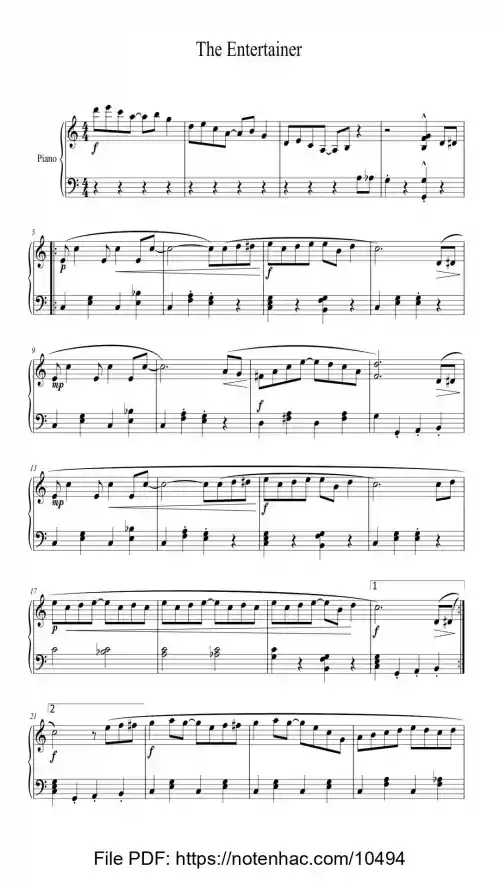
10. The Entertainer – Scott Joplin (simplified version)
A fun ragtime piece that improves rhythm precision and finger independence.
Link PDF: https://notenhac.com/sheet-pdf-piano-the-entertainer-scott-joplin-easy-piano-level-beginner/
Why These Songs Help Beginners Improve Faster
These pieces help beginners progress because they naturally develop:
- steady rhythm
- chord movement
- hand coordination
- expressive phrasing
- melodic balance
Practicing music that teaches technique while remaining enjoyable is one of the most effective ways to improve quickly.
FAQ
What kind of piano songs help beginners improve faster?
Songs with clear melodies and simple chord patterns are ideal because they train essential piano skills without overwhelming the student.
How many songs should a beginner practice at once?
Most teachers recommend learning 2–3 songs at the same time, which keeps practice interesting while reinforcing different techniques.
How long does it take for beginners to improve at piano?
With consistent practice of 20–30 minutes per day, beginners usually see noticeable improvement within a few months.