Contents
- 1 🎹 Can You Learn Piano Without a Teacher?
- 2 🧠 The Truth: Yes, But It Depends on HOW You Learn
- 3 🎯 Who Can Successfully Learn Piano Without a Teacher?
- 4 📱 A Modern Solution: Learning Through Apps
- 5 🎯 Conclusion
- 6 FAQ
🎹 Can You Learn Piano Without a Teacher?
A Practical Answer From 20+ Years of Teaching Experience
You want to learn piano… but life gets in the way.
Busy schedule. No time to commute. Or maybe the cost of lessons feels like too much right now.
I’ve met hundreds of students in exactly this situation over the past 20 years — and the question always comes up:
“Can I really learn piano without a teacher?”
The honest answer is: yes… but only if you do it the right way.
Let me explain — not from theory, but from real teaching experience.
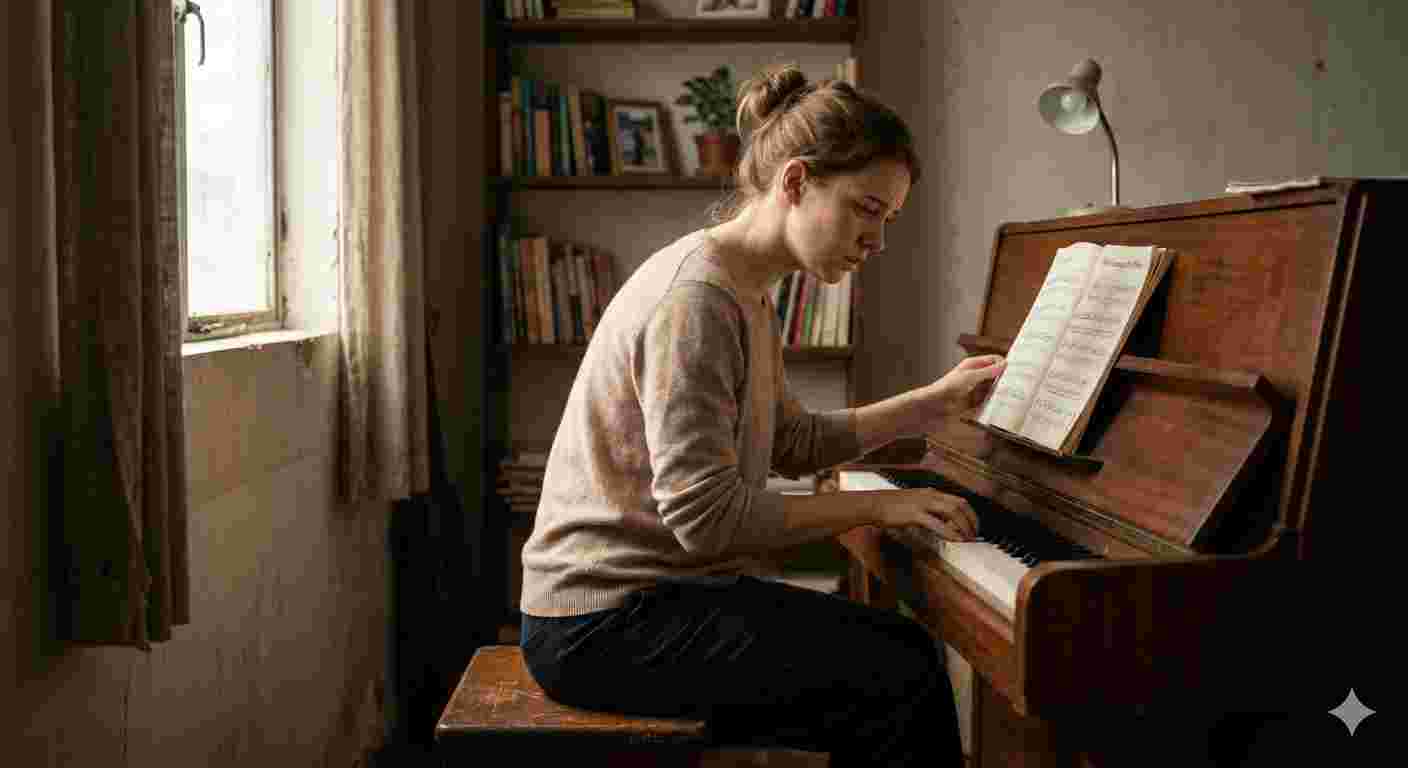
🧠 The Truth: Yes, But It Depends on HOW You Learn
Learning piano without a teacher is absolutely possible today — much more than it was 10–15 years ago.
But here’s the reality most people don’t tell you:
👉 Self-learning can either save you time… or waste months if done wrong.
The difference comes down to:
- Structure
- Feedback
- Consistency
Without these, most beginners quit within weeks.
🎯 Who Can Successfully Learn Piano Without a Teacher?
From what I’ve seen, self-learning works best if you:
- Have limited time (working adults, students)
- Prefer learning at your own pace
- Are motivated enough to practice regularly
- Don’t need formal certification
👉 If this sounds like you, you’re actually a good candidate.
📱 A Modern Solution: Learning Through Apps
This is where things have changed dramatically.
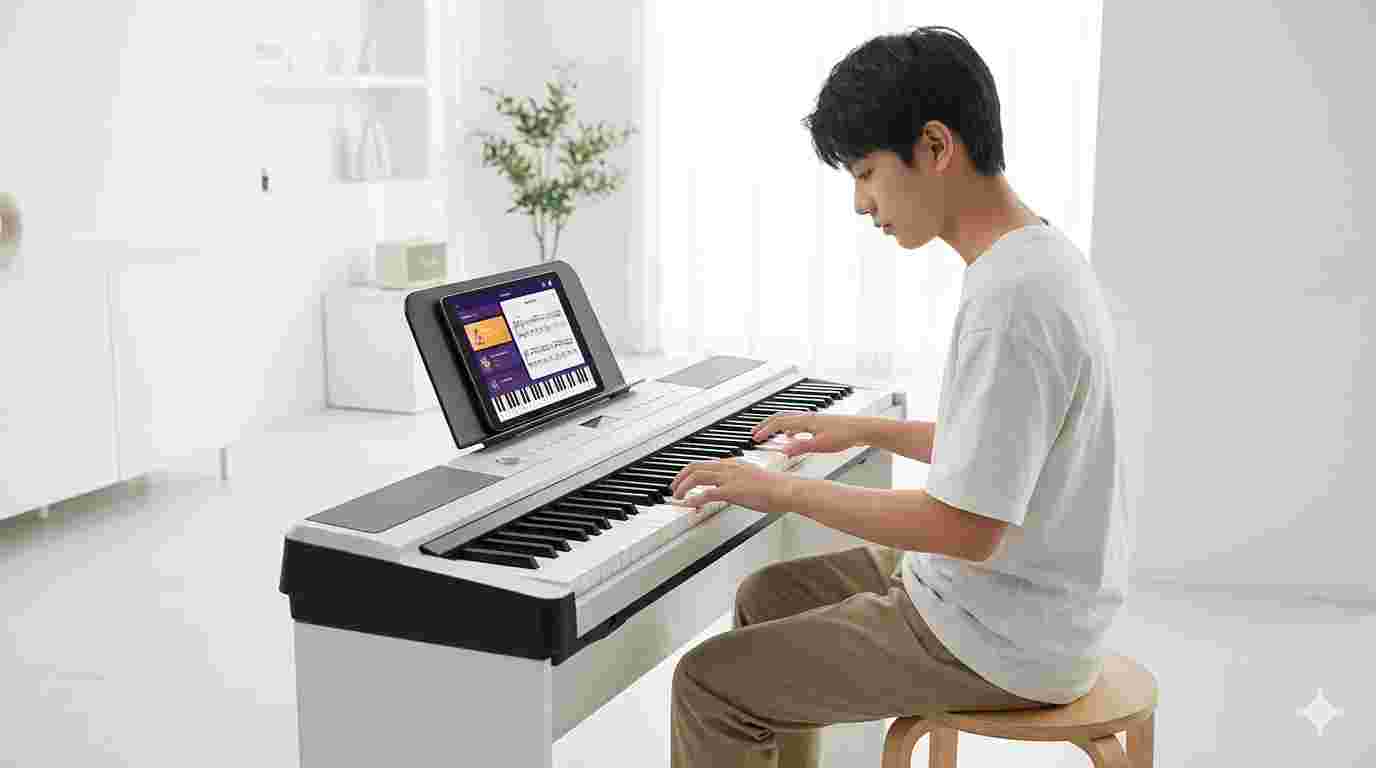
Instead of learning blindly from random YouTube videos, many of my students now use structured apps to guide their practice.
One example I often see beginners try is Simply Piano — not perfect, but surprisingly effective when used correctly.
👉 You can check it out here (if you’re curious):
https://simplypiano.sjv.io/oN490e


(I recommend exploring it yourself first before committing — more on that below.)
✅ What Apps Like This Do Well
From a teacher’s perspective, here’s what I think they get right:
1. Clear Learning Path
Beginners don’t have to guess:
- What to learn first
- What comes next
That alone removes a lot of frustration.
2. Instant Feedback
The app listens as you play and tells you:
- Wrong notes
- Timing issues
👉 This replaces (to some extent) what a teacher would normally correct.
3. Motivation & Consistency
Gamified lessons help you:
- Stay engaged
- Practice daily
And honestly, consistency matters more than talent at the beginning.
⚠️ The Limitations (Very Important)
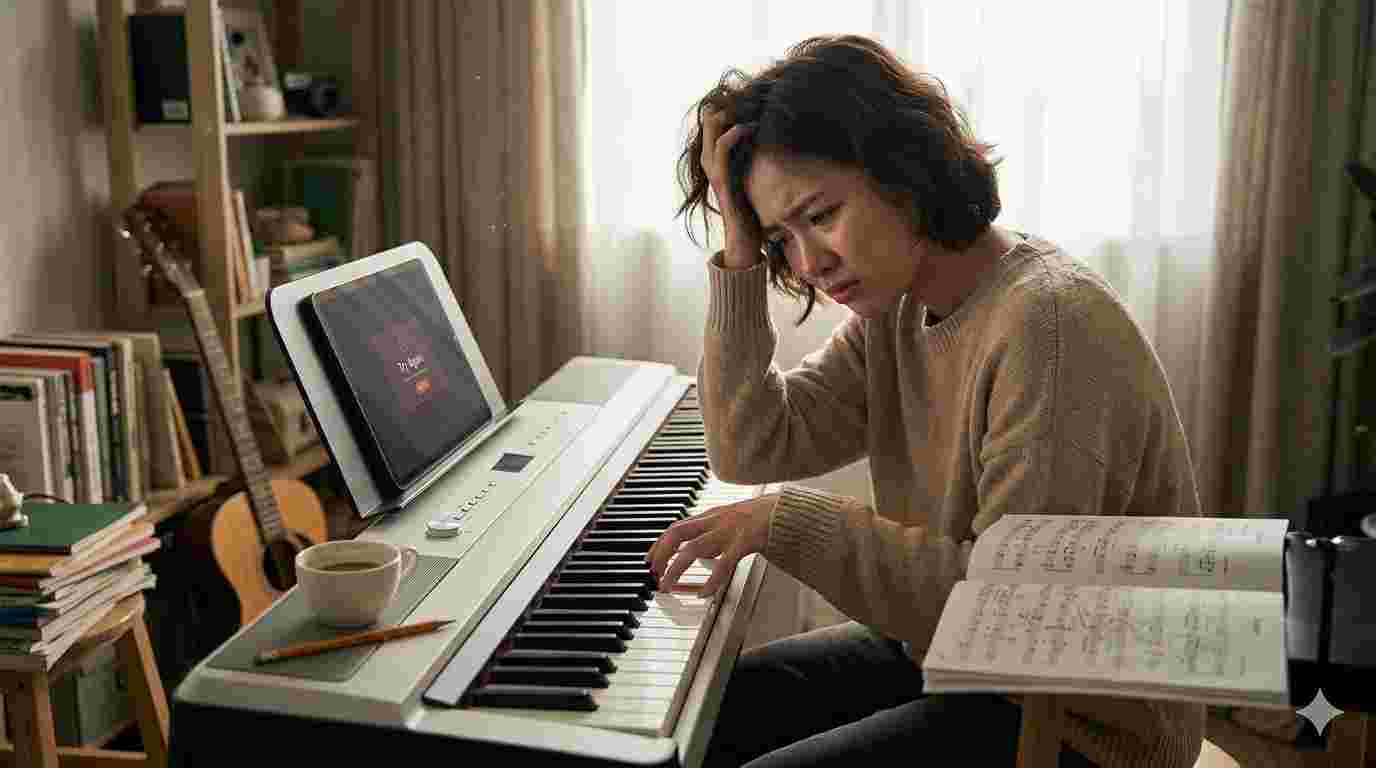
Now, this is where I need to be honest — because no app can fully replace a teacher.
1. No Deep Technique Correction
Apps don’t fix:
- Hand posture
- Finger tension
- Bad habits
👉 And these things matter long-term.
2. Limited Musical Expression
You might learn:
- Notes ✔
- Rhythm ✔
But not:
- Tone control
- Emotional phrasing
3. Easy to Plateau
Many learners:
- Progress quickly at first
- Then get stuck
Because they don’t know how to go beyond the basics.
🔧 How to Fix These Weak Points (Very Important)
If you want to succeed without a teacher, do this:
✔ Combine App + Awareness
Use the app for structure, but:
- Pay attention to your posture
- Watch your hands
✔ Record Yourself Playing
This is something I recommend even to my students.
👉 You’ll notice mistakes you didn’t feel while playing.
✔ Learn in Small, Focused Sessions
Instead of:
- 1 hour randomly
Do:
- 15–20 minutes focused practice
✔ Occasionally Check External Guidance
Even if you don’t take full lessons:
- Watch technique videos
- Or get occasional feedback
👉 This prevents long-term bad habits.
💡 My Honest Advice (After 20 Years Teaching)
If you ask me:
👉 Is learning piano without a teacher ideal?
No.
👉 Is it possible and practical today?
Absolutely yes.
In fact, for busy people, it might be the only realistic option.
The key is not whether you have a teacher —
but whether you have a system that keeps you learning consistently.
And tools like structured apps can play that role surprisingly well —
as long as you understand their limits.
🎯 Conclusion
You don’t need perfect conditions to start learning piano.
You don’t need:
- A fixed schedule
- A large budget
What you need is:
- A clear path
- Consistent effort
- Smart use of available tools
Start simple. Stay consistent. Improve step by step.
That’s how real progress happens — with or without a teacher.
FAQ
Can I really learn piano on my own?
Yes, especially with modern tools. But you must stay consistent and follow a structured approach.
How long does it take to play your first song?
Most beginners can play simple songs within 2–4 weeks if practicing regularly.
Are piano learning apps enough?
They are a great starting point, but combining them with awareness and occasional guidance is ideal.
What is the biggest mistake beginners make?
Practicing without structure or feedback — this leads to slow progress and frustration.
Should I eventually get a teacher?
If you want to go beyond beginner level or improve technique deeply, a teacher is highly recommended later.